Choosing the Right Dehumidifier for Your Hotel Swimming Pool
Understanding the Importance of Dehumidification in Hotel Swimming Pools
The Role of Dehumidification in Indoor Pools
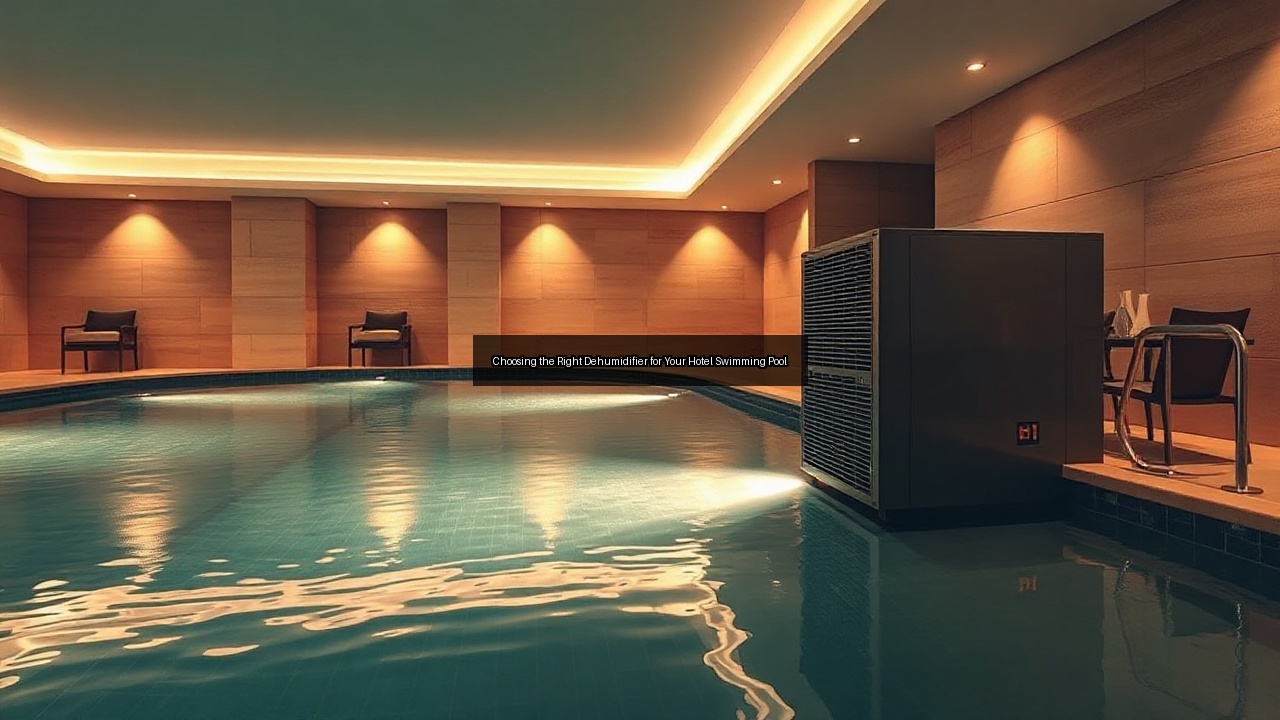
Dehumidification plays a crucial role in maintaining the quality and comfort of indoor swimming pools within hotels. High humidity levels can lead to a variety of issues, including discomfort for guests and potential damage to the facility. A hotel swimming pool dehumidifier helps remove excess moisture from the air, ensuring a comfortable environment for swimmers while protecting the building’s structure and furnishings. Efficient dehumidification units not only enhance guest experiences but also contribute to energy savings and overall operational efficiency. By integrating effective dehumidification systems, hotels can create a safe and pleasant atmosphere that encourages repeat visits.
Effects of Humidity on Indoor Pool Environments
Excess humidity in indoor swimming pool areas can create an uncomfortable environment. Swimmers may experience issues such as foggy goggles and slippery surfaces, while hotel staff may struggle with maintenance challenges. High moisture levels can lead to mold and mildew growth, which poses health risks and can damage the building’s infrastructure. Moreover, the air quality deteriorates, affecting the overall experience for guests. A hotel pool dehumidifier addresses hotel pool dehumidification unit these concerns by maintaining optimal humidity levels, ensuring not only a better swimming experience but also a healthier environment for everyone involved. Proper humidity control is essential to safeguarding both guest satisfaction and the hotel’s physical assets.
Benefits of Maintaining Proper Humidity Levels
Maintaining proper humidity levels in hotel swimming pools offers several advantages. First, it enhances guest comfort, allowing swimmers to enjoy their time without the distraction of excessive moisture. Second, it protects the hotel’s investment by preventing issues such as corrosion of metal components, wood rot, and damage to the HVAC system. A well-maintained indoor pool environment also improves air quality, reducing the likelihood of respiratory problems among guests and staff. Furthermore, effective humidity control can lead to lower energy costs, as dehumidified air is easier to heat or cool. Overall, the benefits of investing in a high-quality hotel swimming pool dehumidifier far outweigh the initial costs, making it a wise choice for any hotel management team.
Key Factors to Consider When Choosing a Hotel Swimming Pool Dehumidifier
Sizing Your Dehumidification Unit for Maximum Efficiency
Choosing the right size for your hotel swimming pool dehumidifier is paramount for achieving maximum efficiency. An undersized unit may struggle to keep up with humidity levels, leading to an uncomfortable environment and potential damage to the facility. Conversely, an oversized unit can lead to excessive energy consumption and increased operational costs. To determine the appropriate size, consider factors such as the pool’s surface area, the ceiling height of the natatorium, and the local climate. Professional consultation can provide insights into the specific requirements of your indoor pool, ensuring that the dehumidification unit operates effectively and efficiently. Proper sizing not only enhances guest comfort but also contributes to long-term energy savings.
Energy Efficiency and HVAC Integration
Energy efficiency plays a significant role in the selection of a hotel pool dehumidifier. Look for units designed with energy-saving features, such as variable speed fans and advanced control systems that optimize performance based on real-time conditions. Additionally, integrating the dehumidification system with the hotel’s HVAC system can enhance overall climate control. A well-designed HVAC integration allows for better temperature regulation and humidity management, reducing energy consumption while maintaining a comfortable environment. This synergy between systems not only improves guest satisfaction but also aligns with the hospitality industry’s growing focus on sustainability and energy conservation. Investing in energy-efficient technologies pays off in reduced utility bills and a smaller carbon footprint.
Understanding Refrigerants Used in Dehumidifiers
The choice of refrigerants in dehumidifiers significantly affects both performance and environmental impact. Traditional refrigerants, such as R-22, are being phased out due to their harmful effects on the ozone layer. Opting for modern, eco-friendly refrigerants like R-410A or R-32 not only complies with environmental regulations but also enhances energy efficiency. These newer refrigerants operate at lower pressures and can improve the overall performance of the hotel swimming pool dehumidifier. When selecting a dehumidification unit, inquire about the type of refrigerant used and its implications for both efficiency and environmental sustainability. By prioritizing eco-friendly options, hotels can demonstrate their commitment to responsible hospitality practices while ensuring a comfortable indoor pool environment.
Best Practices for Maintaining Your Dehumidification System
Regular Maintenance and Inspection Tips
Regular maintenance of your hotel swimming pool dehumidifier is critical for optimal performance and longevity. Schedule routine inspections to check for issues such as clogged filters, leaks, or mechanical failures. Clean or replace filters as needed to ensure efficient airflow and effective humidity control. Additionally, inspect the condensate drains to prevent clogs that could lead to water damage. Keeping a maintenance log helps track service dates and any issues encountered, allowing for timely interventions. Investing in a maintenance contract with a qualified HVAC technician can further streamline this process, ensuring that your dehumidification system operates smoothly and efficiently throughout its lifespan.
Monitoring Humidity Levels Effectively
Effective monitoring of humidity levels is essential for maintaining a comfortable indoor pool environment. Use digital hygrometers or integrated humidity sensors to track real-time humidity levels in the natatorium. Regularly review this data to identify patterns and make necessary adjustments to the dehumidification system. Implementing a smart monitoring system can provide alerts when humidity levels exceed specified thresholds, prompting immediate action. This proactive approach not only enhances guest comfort but also protects the physical assets of the hotel. By hotel pool dehumidification unit staying vigilant about humidity control, hotels can foster a welcoming atmosphere while minimizing maintenance costs and potential damage.
Integration with HVAC Systems for Optimal Climate Control
Integrating the dehumidification system with the hotel’s HVAC system creates a cohesive approach to climate control. This integration allows for synchronized operation, ensuring that both temperature and humidity levels are maintained within optimal ranges. A well-designed control system can automatically adjust the dehumidifier’s operation based on real-time data from the HVAC system, providing an efficient and comfortable environment for guests. Collaborate with HVAC professionals to design an integrated system that addresses the specific needs of your hotel swimming pool. This seamless operation not only enhances guest satisfaction but also leads to significant energy savings over time.
Innovative Technologies in Hotel Pool Dehumidification
Energy Recovery Ventilation Systems
Energy recovery ventilation (ERV) systems represent a significant advancement in hotel pool dehumidification. These systems capture the humidity-laden air exiting the indoor pool area and use it to pre-condition incoming fresh air. By transferring heat and moisture between the outgoing and incoming air streams, ERV systems significantly reduce the energy required for heating or cooling, leading to lower operational costs. Implementing an ERV system not only improves energy efficiency but also enhances air quality by ensuring a constant supply of fresh air. Hotels that adopt this technology can provide a more comfortable swimming experience while demonstrating their commitment to sustainability.
Advancements in Air Dehumidifiers for Pools
Recent advancements in air dehumidifiers have introduced more efficient and effective solutions for hotel swimming pools. Modern units incorporate sophisticated controls and sensors that automatically adjust operation based on occupancy and environmental conditions. Innovations such as variable-speed compressors allow for tailored performance, optimizing energy use during peak and off-peak times. Additionally, newer models often come equipped with advanced filtration systems that improve air quality by removing allergens and pollutants. These advancements contribute to a healthier indoor swimming pool environment, enhancing the overall guest experience and supporting hotel reputation.
ASHRAE Guidelines for Humidity Control in Natatoriums
Following ASHRAE guidelines for humidity control in natatoriums is essential for the effective operation of hotel swimming pools. ASHRAE recommends maintaining indoor relative humidity levels between 30% and 60% to ensure optimal comfort and prevent condensation. Compliance with these standards not only enhances guest satisfaction but also protects the facility from potential damage caused by excessive moisture. Familiarizing yourself with ASHRAE guidelines helps hotel management make informed decisions regarding equipment selection and operational practices. By adhering to these standards, hotels can create a safe, comfortable, and enjoyable swimming environment while safeguarding their investments and enhancing guest loyalty.