Fluid Dynamics and Its Importance in Hydraulic Component Design and Machining
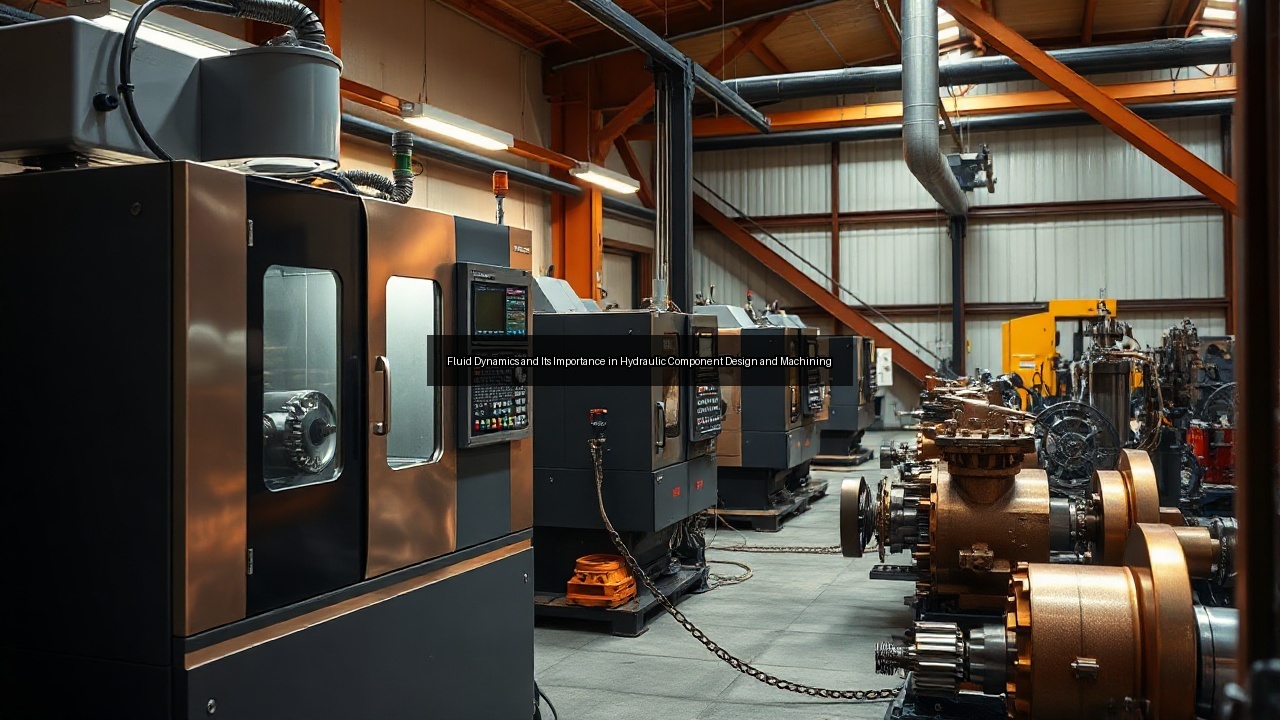
Understanding Fluid Dynamics in Hydraulic Systems
The Role of Fluid Dynamics in Hydraulic Efficiency
Fluid dynamics plays a crucial role in the efficiency of hydraulic systems, where the behavior of liquids under various conditions directly impacts performance. Hydraulic systems rely on the controlled movement of fluids to transmit force and power. Understanding how fluids flow, interact with components, and respond to pressure changes is essential for optimizing system efficiency. By analyzing fluid velocity, pressure variations, and flow patterns, engineers can design hydraulic components that minimize energy loss, reduce wear, and enhance overall system performance. This efficiency translates to lower operational costs and improved reliability, making fluid dynamics a pivotal aspect of hydraulic component machining.
Key Principles of Fluid Dynamics for Component Design
Designing hydraulic components requires a deep understanding of several key principles of fluid dynamics. Bernoulli’s principle, for instance, helps engineers determine the relationship between pressure and fluid velocity, influencing the design of spools and valves. Understanding laminar versus turbulent flow is essential when selecting materials and shapes for machined components, as it affects flow resistance and efficiency. Additionally, analyzing viscosity and density allows manufacturers to predict how fluids will behave in various conditions, ensuring that the hydraulic systems operate optimally. These principles guide the selection of tool steels and the implementation of machining techniques that enhance the performance of hydraulic components.
Impact of Fluid Properties on Hydraulic Performance
The properties of fluids significantly influence hydraulic performance. Factors such as viscosity, density, and temperature dictate how fluids behave under pressure and flow conditions. For instance, a fluid with high viscosity may lead to increased resistance in hydraulic lines, affecting the efficiency of hydraulic equipment. Manufacturers must consider these properties during the hydraulic component machining process to ensure compatibility with various fluids, including oils and water-based solutions. Additionally, innovative materials like PTFE can be employed to enhance corrosion resistance and reduce friction, further improving system performance. Understanding these fluid properties allows engineers to design components that maintain optimal performance across a range of operating conditions.
Machining Processes for Hydraulic Components
CNC Machining Techniques for Precision Components
CNC machining has revolutionized the manufacturing of hydraulic components, allowing for exceptional precision and repeatability. This process utilizes computer-controlled machines to fabricate components with intricate designs and tight tolerances. For hydraulic systems, where even minor imperfections can lead to significant efficiency losses, CNC machining ensures that each component meets exact specifications. Techniques such as CNC lathe operations and milling provide the versatility needed to produce various hydraulic parts, including pistons, spools, and valves. By integrating advanced machining technologies, manufacturers can achieve high-quality results while reducing waste and production time, ultimately enhancing the overall efficiency of hydraulic component machining.
Choosing the Right Tool Steels for Durability
Durability is a paramount consideration in hydraulic component design, and the selection of tool steels plays a critical role in achieving this goal. Manufacturers often opt for high-quality alloy steels that resist wear and corrosion, ensuring the longevity of machined components. Tool steels such as D2 or S7 are popular choices due to their hardness and toughness, making them ideal for applications in hydraulic systems. The right tool steel not only enhances machinability but also ensures that components can withstand the harsh environments often encountered in industries like construction and aerospace. This strategic selection process is vital for maintaining performance and reliability in hydraulic equipment.
Automated Machining Centers: Enhancing Production Efficiency
Automated machining centers significantly enhance production efficiency in hydraulic component manufacturing. These advanced machines streamline the machining process by integrating multiple operations into a single setup, reducing the need for manual intervention. This automation allows for continuous production, improving throughput and minimizing turnaround times for hydraulic components. Additionally, automated centers are equipped with monitoring systems that ensure consistent quality, enabling manufacturers to adhere to ISO 9001 standards in quality assurance. By leveraging automation, companies can meet increasing demand while maintaining high standards of precision and reliability in their hydraulic component machining processes.
Quality Assurance in Hydraulic Component Manufacturing
The Importance of Tolerances and Machinability
In hydraulic component manufacturing, tolerances define the permissible limits of variation in component dimensions. Precision machining requires manufacturers to adhere to strict tolerances to ensure the seamless operation of hydraulic systems. Poor tolerances can result in leaks, inefficiencies, and premature wear of components, leading to costly repairs and downtime. Machinability is equally important; it determines how easily a material can be shaped and finished. Selecting materials with optimal machinability allows for more efficient production processes and better surface finishes. Implementing rigorous tolerance standards and selecting the right materials are essential for achieving high-quality hydraulic components.
ISO 9001 Standards in Hydraulic Manufacturing
ISO 9001 standards play a vital role in maintaining quality assurance in hydraulic component manufacturing. These internationally recognized standards establish a framework for quality management systems, ensuring consistent product quality and customer satisfaction. Manufacturers specializing in hydraulic component machining must implement ISO 9001 practices to enhance operational efficiency, reduce waste, and improve overall performance. By adhering to these standards, companies can demonstrate their commitment to quality and reliability, instilling confidence in their clients across various industries, including automotive, aerospace, and agriculture. This focus on quality assurance ultimately leads to better hydraulic systems that perform reliably under demanding conditions.
Quality Control Processes for Corrosion-Resistant Components
Quality control processes are essential for ensuring the integrity of corrosion-resistant components within hydraulic systems. Manufacturers implement various testing and inspection methods to verify the effectiveness of coatings and materials used in machining. Techniques such as non-destructive testing (NDT) and surface analysis allow companies to identify potential weaknesses in corrosion resistance before components are deployed. Attention to detail in quality control processes not only extends the lifespan of hydraulic components but also enhances system reliability in challenging environments. By prioritizing quality assurance, manufacturers can deliver corrosion-resistant hydraulic equipment that meets stringent industry standards.
Applications of Hydraulic Components Across Industries
Hydraulic Components in Aerospace Engineering
Aerospace engineering relies heavily on hydraulic components for various systems, including landing gear, flight controls, and braking systems. The precision and reliability of these components are paramount, as they directly affect aircraft safety and performance. Machined hydraulic components must meet strict tolerances and undergo rigorous testing to ensure they can withstand the extreme conditions of flight. Advanced materials and innovative machining techniques play a vital role in meeting these demands, allowing manufacturers to produce lightweight yet durable components that enhance the overall efficiency of hydraulic systems in aerospace applications.
The Role of Hydraulic Systems in Construction Equipment
Hydraulic systems power a wide range of construction equipment, including excavators, bulldozers, and cranes. These systems rely on high-performance hydraulic components to provide the necessary force and control for heavy lifting and precise movements. The efficiency of hydraulic systems in construction equipment directly impacts productivity and operational costs. Manufacturers focus on creating robust, durable components that can withstand the harsh conditions of construction sites. Innovations in hydraulic technology and machining processes continue to enhance the performance and reliability of hydraulic equipment, ensuring that it meets the evolving demands of the construction industry.
Innovations in Agricultural and Marine Hydraulic Technologies
Agricultural and marine industries also benefit from advancements in hydraulic technologies. In agriculture, hydraulic systems enable efficient operation of machinery like tractors and harvesters, enhancing productivity and reducing labor costs. Similarly, marine applications rely on hydraulic systems for steering, lifting, and controlling various equipment. Manufacturers are continuously exploring new materials, machining techniques, and fluid dynamics principles to develop more efficient and reliable hydraulic components. Innovations in these sectors drive improvements in performance, safety, and operational efficiency, ensuring that hydraulic systems meet the diverse needs of modern agriculture and marine operations.
See Also
- Hydraulic Component Machining Trends in the Construction Industry
- Understanding Fluid Dynamics in the Context of Hydraulic Component Machining
- Achieving Quality Assurance in Hydraulic Component Machining Processes
- Waste Reduction in Hydraulic Component Machining with Lean Manufacturing
- CNC Machining Techniques for Enhanced Wear Resistance in Hydraulic Systems