The Future of Injection Molding Technology in Wisconsin
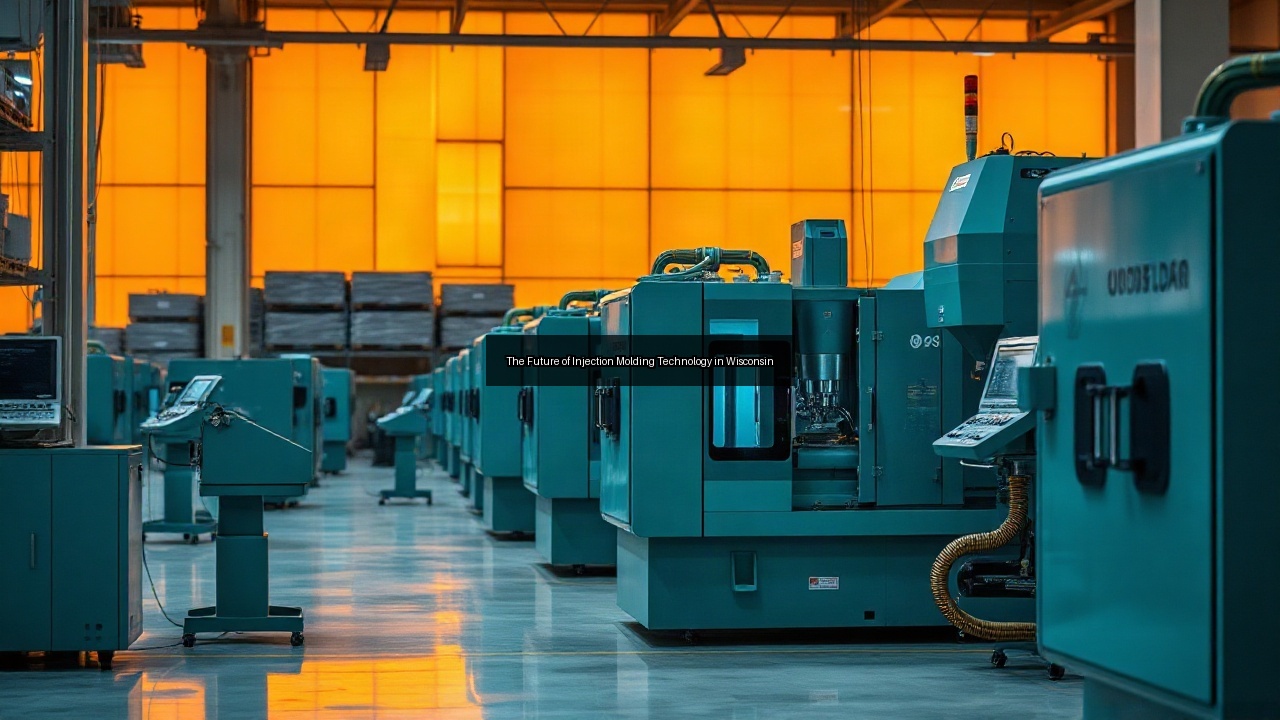
Overview of Injection Molding Technology in Wisconsin
Current Landscape of Injection Molding in Wisconsin
Wisconsin stands as a significant player in the plastic injection molding industry, showcasing a robust landscape that combines innovation with tradition. Numerous companies across the state specialize in plastic injection molding, providing services that range from prototyping to full-scale production. The state's manufacturing sector has embraced injection molding due to its efficiency and the ability to produce complex shapes with high precision. Wisconsin's strategic location, coupled with a skilled workforce, enhances its attractiveness for businesses looking to leverage injection molding technologies. This thriving industry not only caters to local needs but also serves national and international markets, demonstrating Wisconsin's importance in the global plastic supply chain.
Key Manufacturers and Suppliers in the State
Several key manufacturers and suppliers dominate the injection molding scene in Wisconsin, providing diverse services and products. Companies such as Wisco Plastics, Plastics Engineering Company, and Milwaukee Plastics offer a variety of custom plastic injection molding solutions. These firms cater to multiple sectors, including automotive, medical, and consumer goods, emphasizing the versatility of injection molded products. Additionally, Wisconsin boasts a network of suppliers specializing in injection molds and resins, ensuring that manufacturers have access to high-quality materials. This combination of manufacturers and suppliers creates a synergistic environment that fosters innovation and growth within the plastic fabrication industry.
Emerging Trends in Plastic Injection Molding
As the industry evolves, several emerging trends in plastic injection molding are shaping the future of manufacturing in Wisconsin. Automation stands at the forefront, with many companies integrating robotics into their processes to enhance efficiency and reduce labor costs. Moreover, advancements in materials science, particularly with recyclable resins, are gaining traction, reflecting a growing commitment to sustainability. Two-shot injection molding is another trend that allows for the creation of multi-material products, broadening design possibilities and functionality. As these trends continue to develop, Wisconsin's injection molding industry remains poised to adapt and thrive, leveraging technology to meet the demands of a changing market.
Innovations in Injection Molding Techniques
Two-Shot Injection Molding: Revolutionizing Design
Two-shot injection molding is revolutionizing product design by enabling the creation of complex, multi-material components in a single production cycle. This innovative technique allows manufacturers to combine different plastics, offering enhanced functionality and aesthetic appeal. For instance, a toothbrush can feature a soft grip made from one type of plastic while the head utilizes a more rigid material. This versatility not only streamlines the manufacturing process but also reduces assembly time and costs. Wisconsin's manufacturers are increasingly adopting two-shot injection molding to meet consumer Wisconsin custom plastic injection molding demands for multifunctional products, positioning the state as a leader in advanced molding techniques.
Thermoplastic Injection Molding: Benefits and Applications
Thermoplastic injection molding has emerged as a popular choice in Wisconsin's manufacturing landscape due to its numerous benefits. This technique involves melting thermoplastic materials and injecting them into molds where they cool and solidify into the desired shape. One of the key advantages is the ability to recycle thermoplastic materials, which aligns with the growing emphasis on sustainability. Industries ranging from automotive to healthcare utilize thermoplastic injection molded components for their durability and lightweight properties. The flexibility in design and the ability to produce intricate geometries make thermoplastic injection molding a top choice for Wisconsin manufacturers seeking to innovate while meeting stringent industry standards.
Advancements in Injection Mold Design and Fabrication
Advancements in injection mold design and fabrication techniques have significantly improved the efficiency and quality of production in Wisconsin. Modern mold-making processes utilize computer-aided design (CAD) software, allowing for precise modeling and simulation before physical production begins. This technology reduces errors and speeds up the prototyping phase, enabling faster time-to-market for new products. Additionally, advancements in materials used for molds, such as hardened steel and aluminum alloys, enhance durability and longevity. Wisconsin's manufacturers are leveraging these innovations to create high-quality injection molds that stand up to the rigors of production, ensuring consistency and reliability in the final products.
The Role of Injection Molding in Wisconsin's Economy
Impact on Local Employment and Manufacturing
The injection molding industry plays a vital role in bolstering Wisconsin's economy and job market. As a cornerstone of the state's manufacturing sector, it provides thousands of jobs across various skill levels. From skilled technicians operating injection molding machines to engineers designing advanced molds, the industry supports a diverse workforce. Moreover, the economic ripple effect extends to suppliers and service providers, contributing to local job creation and economic stability. As demand for injection molded products continues to rise, Wisconsin's manufacturers are likely to expand operations, further enhancing employment opportunities within the state.
Case Studies: Successful Wisconsin Injection Molding Companies
Several successful injection molding companies in Wisconsin exemplify the industry's potential. For instance, Viking Plastics specializes in custom injection molding and serves various sectors, including medical and industrial applications. Their commitment to quality and innovation has positioned them as a leader in the field. Another notable company, Hansen Plastics, focuses on providing high-quality injection molded components for the automotive WI injection molded plastics industry. Through continuous investment in technology and skill development, these companies showcase how Wisconsin's injection molding sector can thrive, adapting to market needs while maintaining a strong competitive edge.
Future Growth Projections for the Industry
Future growth projections for Wisconsin's injection molding industry appear promising. Analysts anticipate steady growth driven by increasing demand for plastic components across various sectors, including electronics, healthcare, and consumer products. The shift towards sustainability and the adoption of eco-friendly practices within the industry further contribute to this positive outlook. As companies invest in advanced technologies and innovative techniques, Wisconsin is likely to maintain its position as a key player in the injection molding market. This growth not only benefits manufacturers but also enhances the state's overall economic landscape, creating a robust environment for future business endeavors.
Sustainability and Environmental Considerations in Injection Molding
Utilizing Recyclable Resins in Plastic Manufacturing
Utilizing recyclable resins in plastic manufacturing is crucial for promoting sustainability within the injection molding industry. Wisconsin manufacturers increasingly adopt these materials, which minimize environmental impact while maintaining high performance. Recyclable resins, such as PET and HDPE, allow for closed-loop production systems that conserve resources and reduce waste. By integrating these materials into their processes, companies not only address consumer demand for eco-friendly products but also comply with stricter environmental regulations. This commitment to sustainability positions Wisconsin as a progressive leader in the injection molding sector, setting a standard for responsible manufacturing practices.
The Future of Eco-Friendly Injection Molding Practices
The future of eco-friendly injection molding practices in Wisconsin hinges on innovation and commitment to sustainability. Companies are exploring bioplastics and bio-based materials as alternatives to traditional plastics, reducing dependence on fossil fuels. Moreover, advancements in energy-efficient machinery and processes contribute to lower carbon footprints during production. Wisconsin's manufacturers are increasingly collaborating with research institutions to develop sustainable practices that address environmental concerns while ensuring product quality. As eco-consciousness grows among consumers, the injection molding industry in Wisconsin is set to evolve, embracing practices that align with a sustainable future.
Challenges and Solutions in Sustainable Injection Processes
While the push for sustainability in injection molding presents numerous opportunities, it also comes with challenges that manufacturers in Wisconsin must navigate. Sourcing sustainable materials can sometimes be cost-prohibitive, requiring companies to balance economic viability with eco-friendly practices. Additionally, the transition to more sustainable processes may involve upfront investments in new technologies and training. However, many Wisconsin manufacturers are finding solutions by collaborating with suppliers and investing in research and development. By embracing innovation and seeking efficiencies, these companies can overcome challenges and lead the way in sustainable injection molding practices, ensuring long-term success while protecting the environment.