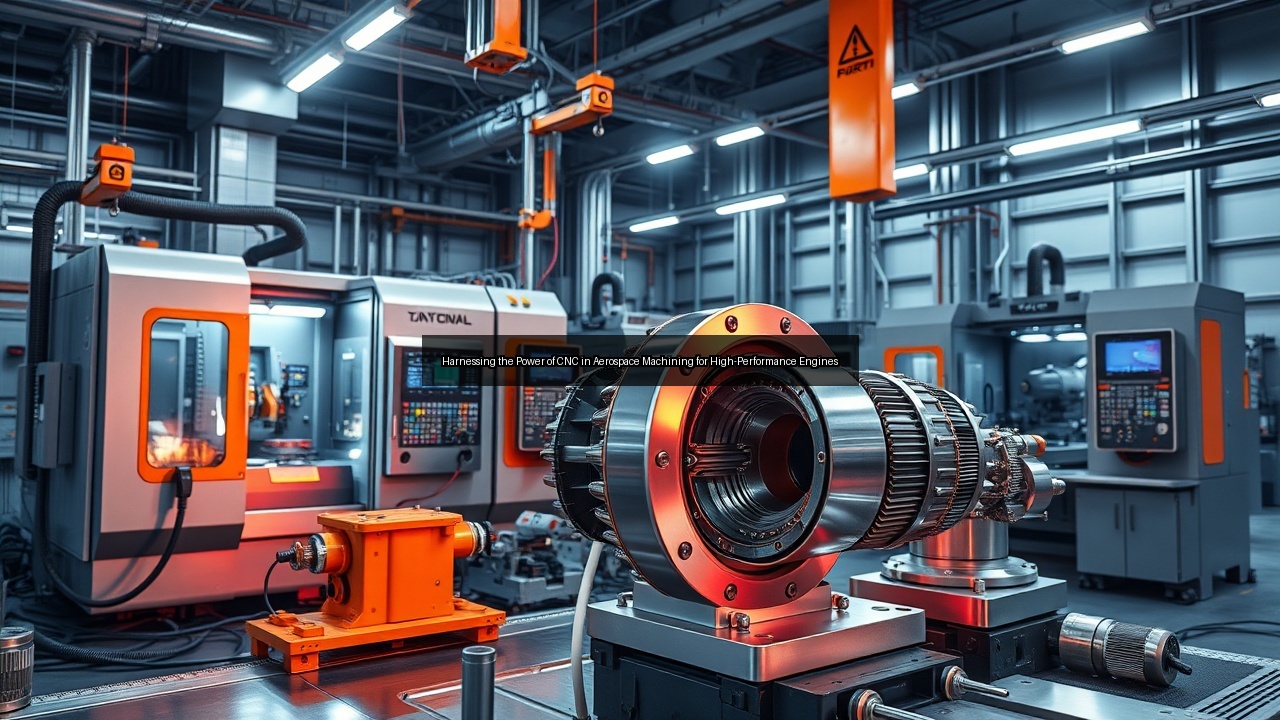
Harnessing the Power of CNC in Aerospace Machining for High-Performance Engines
The Role of CNC in Aerospace Machining
Understanding CNC Technology
Machinists rely on cnc technology to shape complex components for the aerospace industry. Computer numerical control systems direct milling and turning operations with programmed instructions that eliminate manual errors. Engineers program these systems to handle intricate geometries required in engine parts and structural elements. CNC machining delivers consistent results across production runs, allowing teams to replicate designs without variation. This approach supports the demands of aerospace machining services where tolerances reach fractions of a millimeter.
Operators load raw stock into the machine and monitor tool paths that carve features from solid blocks. Modern cnc platforms integrate sensors that adjust feeds and speeds in real time. The process converts digital models into physical parts that fit directly into aircraft assemblies. Machinists select appropriate end mills and inserts based on material properties to maintain surface integrity throughout the cut.
Advantages of CNC Machining for Aerospace
CNC machining provides unmatched repeatability for aerospace component machining. Teams produce identical turbine blades and housings on every cycle without drift. Reduced setup times let manufacturers respond quickly to design changes in high-performance engines. The technology also minimizes scrap rates by optimizing tool paths before any metal is removed.
Precision and accuracy improve when cnc systems control multiple axes simultaneously. Five-axis machines reach undercuts and compound angles that manual methods cannot achieve. Aerospace machining services benefit from this capability because engine components often feature contoured surfaces that affect airflow and structural integrity. Automated tool changers keep spindles running while operators prepare the next job.
Key Materials Used in Aerospace Machining
Titanium resists extreme temperatures and corrosion, making it essential for engine hot sections. Cobalt alloys withstand high stress in rotating parts where heat builds rapidly. Aluminum offers light weight for airframe structures without sacrificing strength. Steel and stainless steel provide durability in landing gear and fasteners.
Machinists select tool steel cutters when working these metals to maintain edge life. Castings of iron and aluminum serve as starting points for many aerospace parts before final machining removes excess material. CNC programs account for the unique chip formation and heat characteristics of each alloy to prevent work hardening. Aerospace machining services therefore maintain separate tooling libraries for different material families.
Precision and Accuracy in High-Performance Engine Manufacturing
Turbine Blades and Their Importance
Turbine blades convert combustion energy into thrust inside jet engines. Each blade must survive extreme temperatures and centrifugal forces while maintaining aerodynamic profiles. CNC machining creates the complex cooling channels and precise airfoil shapes that allow engines to operate at higher efficiencies. Small deviations in blade geometry reduce performance and shorten service life.
Machinists inspect finished blades with coordinate measuring machines to verify every dimension. Aerospace machining services apply these checks at multiple stages to catch errors early. The resulting parts contribute directly to fuel economy and reliability in commercial and military aircraft.
Machining Techniques for Engine Components
Milling operations remove material from titanium disks to form compressor rotors. Turning creates cylindrical features on shafts and casings. Electrical discharge machining supplements traditional cutting when intricate internal passages appear in engine nozzles. Each technique requires specific fixturing to hold parts rigidly during aggressive cuts.
Engineers develop tool paths that balance material removal rates with surface finish requirements. Aerospace machining services often combine roughing and finishing passes on the same machine to reduce handling. Coolant delivery systems prevent thermal distortion in heat-sensitive alloys during prolonged operations.
Challenges in Machining Aerospace Parts
Thin walls in aerospace components deflect under cutting forces, demanding light depths of cut and high spindle speeds. Workpiece materials work-harden rapidly, which dulls tools and alters dimensions. Machinists counter these effects with sharp carbide inserts and optimized chip loads.
Vibration can ruin surface quality on long turbine blades. Damped tool holders and strategic support fixtures stabilize the process. Aerospace machining services invest in simulation software that predicts deflection before the first chip flies. This proactive approach protects both part quality and machine uptime.
Industrial Automation and Its Impact on Aerospace Machining
Integrating Robotics in CNC Machining
Robots load and unload parts from cnc machines, freeing machinists for programming and inspection tasks. Automated cells run continuously on high-volume aerospace contracts. Gantry systems transfer heavy castings between milling stations without manual lifting. Industrial automation therefore raises throughput while maintaining the precision and accuracy demanded by engine manufacturers.
Collaborative robots handle secondary operations such as deburring and marking. Sensors on robotic arms verify part presence before cycles begin. Aerospace machining services adopt these systems to reduce labor costs and human error in repetitive handling.
Streamlining Production Processes
Integrated software links design, programming, and scheduling across the shop floor. Digital work orders travel with each batch of aerospace parts. Real-time monitoring reveals bottlenecks in milling or turning operations before they delay deliveries. The streamlined flow supports just-in-time manufacturing for military aircraft programs.
Automated tool management tracks cutter life and triggers replacements at set intervals. This prevents unexpected wear from compromising critical engine components. Aerospace machining services gain predictable cycle times that improve quoting accuracy and customer satisfaction.
Reliability in Automated Systems
Redundant controllers keep production running when primary systems require maintenance. Predictive maintenance algorithms analyze spindle vibration and temperature to schedule service before failures occur. Reliability gains translate directly into higher machine availability for aerospace machining services.
Backup power and network isolation protect against external disruptions. Automated inspection stations compare finished parts against digital twins to flag any deviation immediately. These safeguards ensure that machined aerospace components meet stringent certification standards every time.
Materials and Their Applications in Aerospace Machining
Working with Titanium and Cobalt Alloys
Titanium demands low cutting speeds and abundant coolant to manage heat. Machinists use coated carbide tools to resist the material's tendency to weld to cutting edges. Cobalt alloys require even more conservative parameters because of their hardness. Aerospace machining services maintain dedicated titanium cells with high-pressure coolant systems that extend tool life.
Engineers adjust feed rates dynamically based on chip color and sound. Proper technique yields parts with excellent fatigue resistance for rotating engine sections. The resulting components withstand the thermal cycles that define high-performance propulsion systems.
The Role of Aluminum and Steel in Aircraft Manufacturing
Aluminum alloys machine quickly, enabling rapid production of brackets and skins. Machinists apply high-speed milling strategies that finish surfaces in single passes. Steel parts such as landing gear struts undergo rough turning followed by precision grinding to achieve required tolerances.
Stainless steel fasteners and fittings appear throughout aircraft assemblies. Aerospace machining services select appropriate grades to balance corrosion resistance and strength. Heat treatment after machining restores mechanical properties altered during cutting operations.
Casting Techniques for Aerospace Components
Investment castings supply near-net shapes that reduce milling time on complex engine housings. Sand castings serve larger structural members where weight allows extra stock. Machinists align cast features with datum surfaces before final machining begins.
Porosity checks and x-ray inspection precede cnc operations on critical castings. Aerospace machining services document every step to satisfy traceability requirements. The combination of casting and machining delivers cost-effective parts without compromising structural integrity.
Future Trends in Aerospace Machining Services
The Rise of UAV and Spacecraft Machining
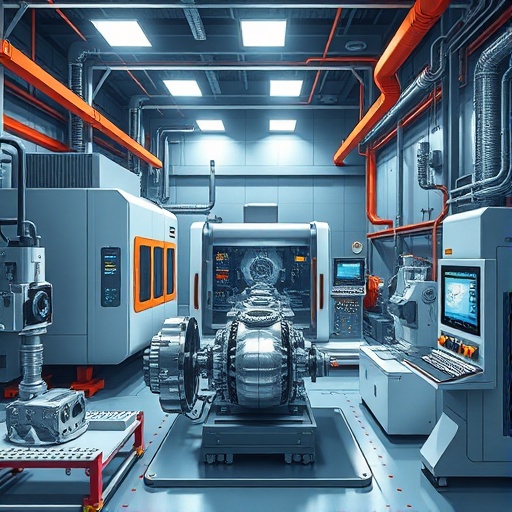
UAV airframes require lightweight machined structures that maintain stiffness under flight loads. CNC machines produce composite molds and metal fittings for these platforms. Spacecraft components demand ultra-clean surfaces and tight tolerances to survive vacuum and radiation environments.
Aerospace machining services expand capabilities with larger work envelopes and specialized fixturing for satellite panels. Machinists adapt programs originally developed for military aircraft to meet the unique vibration profiles of launch vehicles. The growth of commercial spaceflight creates steady demand for precision-machined propulsion and structural elements.
Advancements in Machining Technologies
Hybrid machines combine additive deposition with subtractive milling in one setup. This approach builds features on existing aerospace parts without full remachining. High-speed spindles and linear motors increase material removal rates while preserving surface quality.
Artificial intelligence optimizes tool paths based on real-time sensor data. Aerospace machining services adopt these tools to shorten cycle times on titanium engine components. Continued development of ceramic and polycrystalline diamond cutters further extends capability on difficult alloys.
Sustainable Practices in Aerospace Manufacturing
Recycling titanium and aluminum chips reduces raw material consumption. Closed-loop coolant systems minimize waste streams from milling operations. Energy-efficient motors and variable-speed pumps lower the carbon footprint of cnc machining cells.
Aerospace machining services track material utilization metrics to identify further savings. Lightweight engine designs enabled by precise machining contribute to lower fuel burn across the aircraft fleet. These practices align production goals with environmental responsibility while preserving the reliability expected in aerospace applications.